
In 2026, managing personal finances has become more important than ever due to rising living costs, digital payments, and subscription-based lifestyles. Many people struggle to keep track of where their money goes each month, especially when spending happens through cards, mobile wallets, and online platforms. Budgeting apps solve this problem by automatically organizing expenses, categorizing spending, and giving users a clear picture of their financial habits. Instead of manually writing everything down, these apps allow you to see real-time updates of your income and spending, helping you make smarter financial decisions and avoid unnecessary debt.
Mint: Simple and Automated Expense Tracking
One of the most popular budgeting tools is Mint, which is known for its simplicity and automatic tracking features. It connects directly to your bank accounts and credit cards, allowing it to categorize transactions without manual input. This makes it especially useful for beginners who want an easy way to understand their spending patterns. Mint also provides alerts for bill payments and budget limits, helping users avoid late fees and overspending. Its visual dashboards make it easy to see where your money is going each month, making financial control more accessible for everyday users.
YNAB: A Powerful Method for Total Money Control
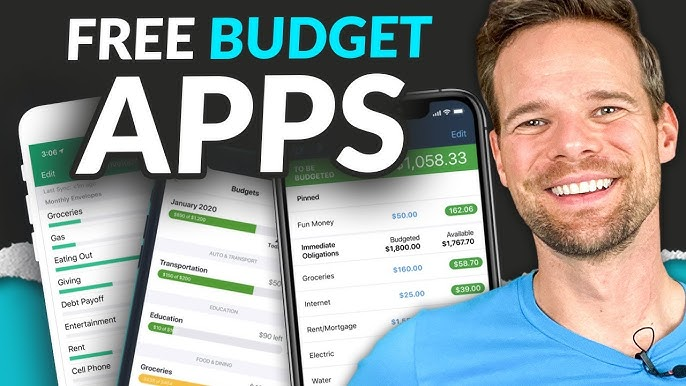
Another highly effective app is You Need A Budget, which follows a unique method based on assigning every dollar a specific purpose. Unlike other apps that simply track spending, YNAB focuses on proactive budgeting, meaning you plan your money before you spend it. This approach helps users break the cycle of living paycheck to paycheck and encourages long-term financial discipline. Although it has a learning curve, many users report significant improvements in savings and debt reduction after using it consistently. YNAB is especially powerful for people who want full control over their financial planning.
PocketGuard: Preventing Overspending Automatically
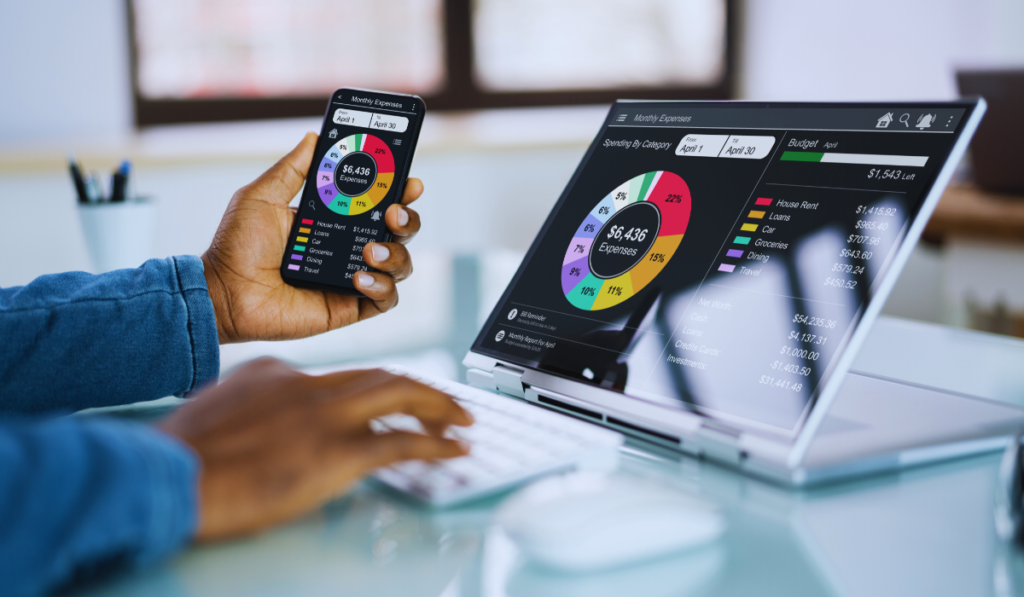
PocketGuard is designed for people who struggle with overspending and want a clear limit of what they can safely spend. The app calculates your income, bills, and savings goals, then shows how much “safe-to-spend” money you have left. This feature makes it very easy to avoid financial stress because you always know your spending boundaries. PocketGuard also helps identify unnecessary subscriptions and recurring expenses, which can quietly drain your budget over time. Its simple interface makes it ideal for users who want quick, clear financial guidance without complicated tools.
Goodbudget: Envelope-Based Budgeting Made Digital
Another strong option is Goodbudget, which is based on the traditional envelope budgeting system. Instead of tracking every transaction automatically, users manually assign money into different categories such as rent, food, transportation, and savings. This method encourages more mindful spending because you physically allocate your income before using it. Goodbudget is especially useful for couples or families who want to manage shared expenses together. Its simplicity and discipline-focused approach make it a great choice for people who prefer structured financial planning.
Empower: Advanced Insights for Wealth Building
For users who want more advanced financial tracking, Empower offers powerful tools for analyzing net worth, investments, and long-term financial growth. Unlike basic budgeting apps, Empower focuses not only on daily expenses but also on wealth management and retirement planning. It provides detailed insights into spending trends, investment performance, and financial health over time. This makes it ideal for users who are already saving money and want to grow their wealth strategically. With its combination of budgeting and investment tracking, Empower gives a complete overview of your financial life.